

The cultural significance of casinos in modern society
The Historical Roots of Casinos
Casinos have a storied history that dates back to ancient civilizations. The origins of gambling can be traced to China, where tiles were discovered that appeared to be used for a rudimentary game of chance. As societies evolved, so did the concept of gambling, transitioning from simple games to more organized establishments. In Europe, particularly during the Renaissance, the first official casinos emerged, laying the groundwork for the modern gambling experience. At online platforms like https://adoptachurch1040.com/, players engage in a myriad of games that reflect this rich history.
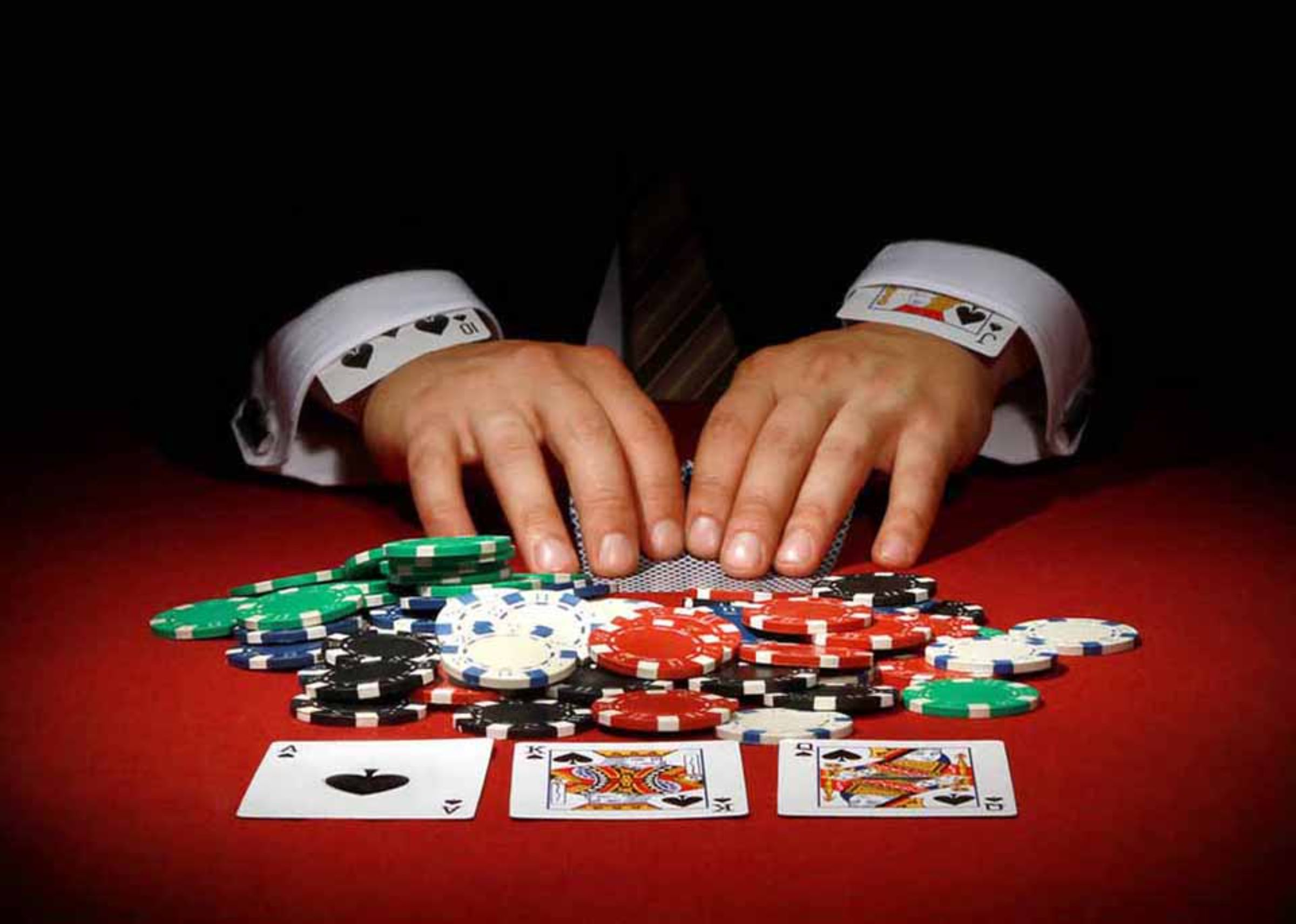
This historical trajectory reveals how gambling and gaming have been woven into the fabric of various cultures. By providing a space for entertainment, casinos became social hubs where people gathered, fostering a sense of community. This communal aspect has persisted over the centuries, as even in today’s world, casinos serve as gathering places that offer more than just gaming options; they often feature dining, entertainment, and social events.
Furthermore, the historical context of casinos contributes to their cultural significance. They reflect the economic conditions and social dynamics of their times. In the modern era, casinos have adapted to changing societal norms, integrating new technologies and offering a wider range of entertainment options, which continues to influence how they are perceived and utilized in contemporary society.
The Role of Casinos in Economic Development
Casinos have become powerful engines for economic development in various regions. They generate substantial tax revenue, which can be reinvested into local infrastructure, education, and public services. The presence of a casino often stimulates job creation, providing employment opportunities not just in gaming, but also in hospitality, security, and entertainment sectors. Communities that embrace casinos often experience economic revitalization, attracting tourism and fostering small business growth.
In many cases, casinos are viewed as a double-edged sword. While they can boost local economies, concerns about gambling addiction and social issues often arise. This has led to calls for responsible gaming initiatives and regulations to protect vulnerable populations. The balance between economic benefits and social responsibility remains a critical conversation among policymakers and community leaders, influencing how casinos operate within their local contexts.
Moreover, the economic impact of casinos extends beyond immediate financial gains. They can reshape the cultural landscape of a region, attracting visitors who contribute to the local economy. This transformation can redefine a city or region’s identity, making it a destination for entertainment and leisure. As casinos evolve, their role in economic development continues to be a significant part of their cultural narrative.
The Social Dynamics of Casino Culture
Casinos have a unique ability to bring people together, fostering social interactions among diverse groups. The environment within a casino can create a sense of excitement and camaraderie, as players share in the highs and lows of gambling experiences. This social dynamic often spills over into other areas of life, as friendships are formed and strengthened within the casino walls.
Moreover, the appeal of casinos often lies in their inclusive nature. They attract a broad spectrum of individuals, transcending age, ethnicity, and socioeconomic status. This melting pot of patrons contributes to the vibrant atmosphere, where everyone seeks entertainment, excitement, and sometimes a bit of luck. Events and tournaments held within casinos often encourage this social engagement, further cementing the casino as a cultural gathering place.
However, this social aspect is not without its complexities. While casinos can promote community and interaction, they can also bring about feelings of isolation and addiction for some individuals. The contrasting experiences of social connectivity and personal struggle underscore the multifaceted role that casinos play in modern society, highlighting their significance beyond mere gambling.
The Myths and Misconceptions Surrounding Casinos
Despite their prevalence, casinos are often shrouded in myths and misconceptions. One common belief is that casinos are solely places of vice and moral decay. While it is true that gambling can lead to addiction for some, many individuals enjoy casinos responsibly as entertainment venues. This misconception can overshadow the positive contributions of casinos to society, such as their role in economic development and community engagement.
Another prevalent myth is that winning at casinos is purely a matter of luck. While luck plays a role, casinos employ sophisticated algorithms and strategies to ensure long-term profitability. This understanding of odds and probabilities can enlighten players, allowing them to approach gambling with a more informed perspective. Education about these aspects can help dispel myths and promote responsible gaming habits.
Lastly, some believe that casinos only serve wealthy individuals. In reality, casinos often offer a range of gaming options that cater to various budgets. From low-stakes games to high-roller experiences, casinos strive to create an inclusive environment that welcomes everyone. By debunking these myths, the true cultural significance of casinos can be appreciated, revealing their complexity in modern society.
Exploring Online Casinos and Their Cultural Impact
The rise of online casinos has revolutionized the gambling landscape, reshaping how individuals engage with gaming. As technology advances, online platforms provide unprecedented access to gaming experiences, enabling players to enjoy their favorite games from the comfort of their homes. This shift has expanded the reach of casinos, making them accessible to a broader audience and changing perceptions about what a casino can be.
Moreover, online casinos foster a different kind of social interaction, often incorporating features such as live dealer games and social gaming elements. These innovations allow players to connect with others in real-time, creating a sense of community that mirrors traditional casinos. As social dynamics evolve in the digital space, the cultural significance of online casinos continues to grow, challenging conventional notions of gambling.
While online casinos present unique opportunities, they also raise concerns about addiction and responsible gaming. The anonymity of the online environment can contribute to higher risks for some players. Thus, it is essential for operators to prioritize responsible gaming measures and provide educational resources to ensure that the benefits of online gambling do not come at the expense of individual well-being. As the conversation surrounding online casinos unfolds, their cultural impact becomes increasingly significant in the broader discourse about gambling in society.

The Future of Casinos in Modern Society
The future of casinos is poised for transformation, driven by technological innovations and changing consumer preferences. Virtual reality and augmented reality technologies are likely to reshape the gaming experience, offering immersive environments that enhance player engagement. This evolution could redefine the traditional casino experience, making it more appealing to younger audiences who seek interactive and engaging entertainment options.
Additionally, the integration of responsible gaming practices will play a crucial role in shaping the future landscape of casinos. As awareness about the risks of gambling increases, both physical and online casinos will need to prioritize player protection. Implementing tools for self-exclusion, limits on betting, and providing access to support resources are steps that can ensure a sustainable future for the industry.
As casinos adapt to these changes, their cultural significance will continue to evolve. They may become multifaceted entertainment complexes that offer diverse experiences beyond gaming, including dining, concerts, and cultural events. This evolution can enhance their role as community hubs, fostering social interactions while addressing the complexities surrounding gambling. In navigating these future trends, casinos will remain significant players in the cultural fabric of modern society.
